
Medical Botox
Botox for Blepharospasm & Hemifacial Spasm in Los Angeles
Therapeutic botulinum toxin for blepharospasm, hemifacial spasm, and chronic migraine at our Encino office: diagnosed first, then treated with precision dosing by a neuro-ophthalmologist.
Is It Time?
Three diagnosis-led medical Botox pathways
Blepharospasm, hemifacial spasm, and chronic migraine are medical conditions with different examination and treatment pathways, not cosmetic concerns.
- Uncontrollable blinking or forceful squeezing of both eyes (blepharospasm)
- Twitching on one side of the face, often starting around the eye (hemifacial spasm)
- Facial twitching that continues even during sleep
- Eyelid spasms that make reading, driving, or working difficult
- Unwanted facial movements after Bell's palsy (synkinesis)
- Chronic migraine (headaches on 15 or more days per month)
Our Approach
The diagnosis determines the injection plan
It is the same molecule used cosmetically, but the goal, the dose, and the injection map are different. Treating eyelid and facial spasm means placing very small amounts precisely into overactive muscles around the eye, guided by an understanding of both the eyelid’s anatomy and the neurological condition driving the spasm. That combination is neuro-ophthalmology, and it is Dr. Hashemi’s specialty.
Each condition follows its own path. Blepharospasm treatment targets the muscles squeezing both eyes. Hemifacial spasm is one-sided and may benefit from a neuro-ophthalmology evaluation before treatment to determine whether imaging or further workup is needed. Microvascular decompression can be a definitive neurosurgical option for the right patient, and we refer when it is the better path. Chronic migraine treatment follows the FDA-approved injection protocol.
Treatment is a partnership over time: the dose and pattern are refined visit by visit until your maintenance plan fits your spasm, your anatomy, and your schedule.
What to Expect
What a treatment cycle looks like
- Consultation
Diagnosis before injection
A neuro-ophthalmic evaluation confirms which condition is present, and whether imaging or further workup is needed first, as it sometimes is for hemifacial spasm.
- Treatment visit
About 10–15 minutes
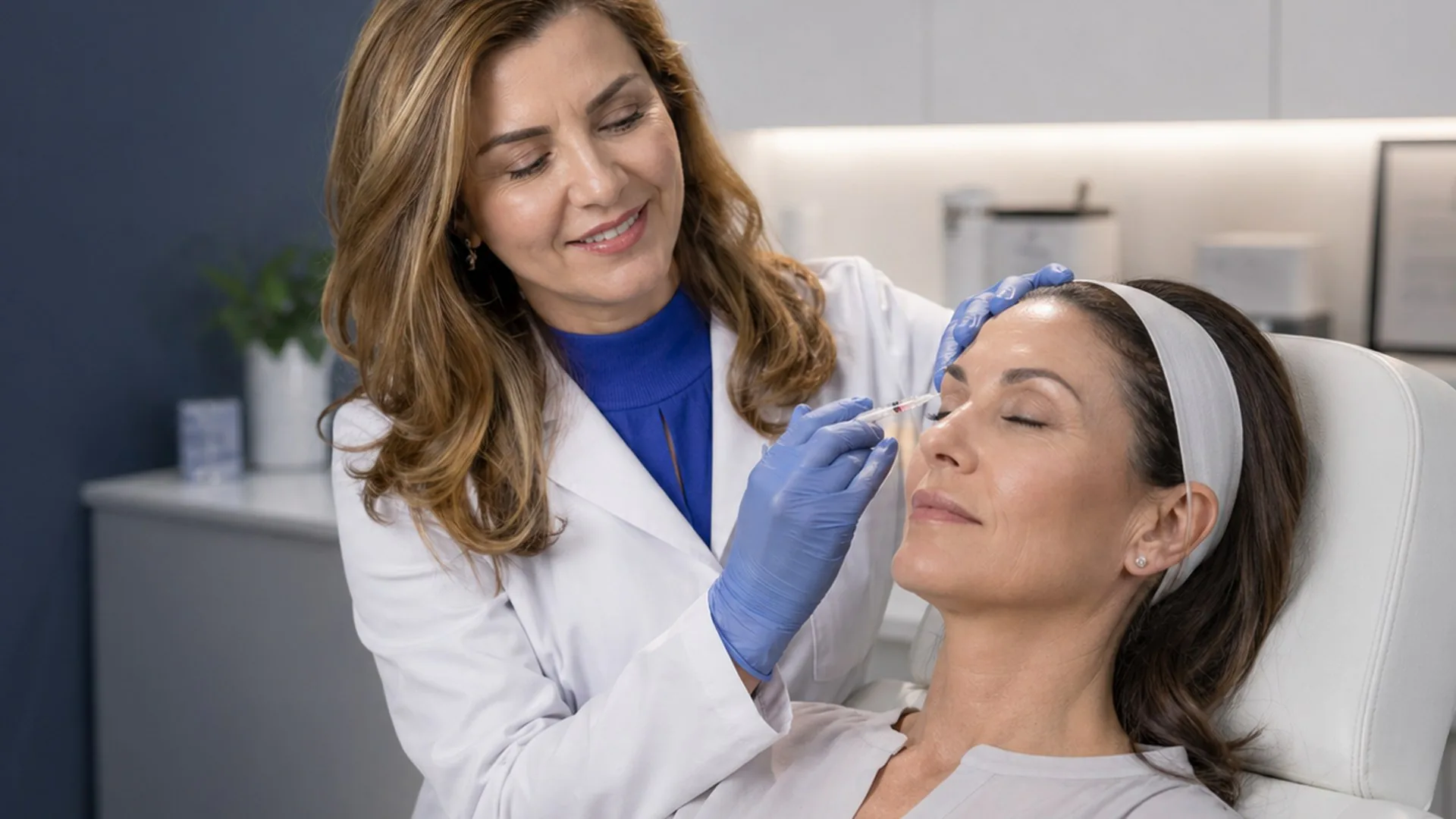
A series of very small injections with a fine needle, mapped to your spasm pattern. It feels like a brief pinch, and most patients are surprised how quick it is. You can return to normal activities immediately.
- Days 2–5
The effect begins
Relief starts gradually as the medication takes hold in the treated muscles.
- Weeks 1–2
Peak benefit
The full effect arrives. We note what worked and where, refining the map for your next visit.
- Months 3–4
Maintenance
Benefit gradually tapers and the next treatment is scheduled. Needing repeat injections is how this treatment works, not a sign of failure.
- Ongoing
A plan that fits you
Dose, placement, and interval are tuned over the first few cycles until relief is steady and predictable.
Outcomes
Response rates worth knowing
Figures come from published series in our physician-reviewed education library. Individual response varies; relief is often substantial even when spasm does not vanish completely.
Insurance & Cost
Medical treatment, prior authorization, and coverage
When botulinum toxin treats blepharospasm, hemifacial spasm, or chronic migraine, it is medical care, distinct from cosmetic injection. Coverage and prior-authorization requirements differ by plan, sorequest a medical Botox evaluation before your first visit and our staff will help you verify your benefits.
Patient Experiences
From our patients
I appreciate the effort to make me comfortable and the will to actually make me better with the best treatment possible. I am very happy with the visit today as I got to understand more on my eyes and am looking forward on the treatment Doctor has offered.
Deanna She is very knowledgeable, detailed and compassionate. She is well rounded and has lots of experience and that shows in her bed side manner and how she explains everything really well. I recommend her to my family and friends as I have complete confidence in her diagnosis.
Tanya
Common Questions
Medical Botox questions, answered
Is medical Botox the same drug as cosmetic Botox?
Same medication, different discipline. The goal, dose, and injection pattern target overactive eyelid and facial muscles to stop spasm, not wrinkles. Treatment is planned around your neurological diagnosis.
How soon does it start working?
Relief typically begins within 2–5 days and reaches its peak at one to two weeks after the injections.
How long does each treatment last?
About 3–4 months for most patients. Repeat treatment on a maintenance schedule is expected; it is how this therapy works, not a sign that it is failing.
What are the side effects?
Temporary bruising, a droopy eyelid, or dry eye can occur. Reduced blinking can expose and injure the cornea, especially in people with facial-nerve problems. Contact your eye doctor promptly for persistent irritation, light sensitivity, or changes in vision. Serious spread-related effects are rare; trouble breathing or swallowing after an injection warrants emergency care.
What if my eyelid droops after treatment?
A temporary droop usually improves as the medication fades. Tell your doctor if it occurs; the dose or injection pattern may be adjusted at the next cycle to reduce the chance of recurrence.
Does insurance cover medical Botox?
For medical indications like blepharospasm, hemifacial spasm, and chronic migraine, coverage is plan-dependent and often requires prior authorization. Contact our office and our staff will help you verify your benefits.
Learn More
Read deeper in our education library
The medical facts on this page are drawn from our physician-reviewed patient education library.
Your Encino Visit
Directions and office details
Hashemi Eye Care is at 16542 Ventura Blvd #515, Encino, CA 91436. Office hours are Monday-Friday, 8am-5pm.
Serving patients in Encino, Los Angeles, Sherman Oaks, Tarzana, Calabasas, Woodland Hills, Studio City, Burbank, Glendale, Pasadena, and the greater San Fernando Valley.
Open directions (opens in new tab) or review parking and access details before your visit.
Next Step
Request a medical Botox evaluation
Meet with Dr. Hashemi at our Encino office to review your symptoms, confirm the diagnosis, and discuss whether medical Botox is appropriate.